High-Yield Pharmacology for EDAIC Part 1: Essential Concepts and Exam Focus
Master EDAIC pharmacology with this focused guide to pharmacokinetics, anaesthetic agents, neuromuscular blockers, local anaesthetics, and autonomic drugs—the core themes that recur in EDAIC Part 1 Paper A.

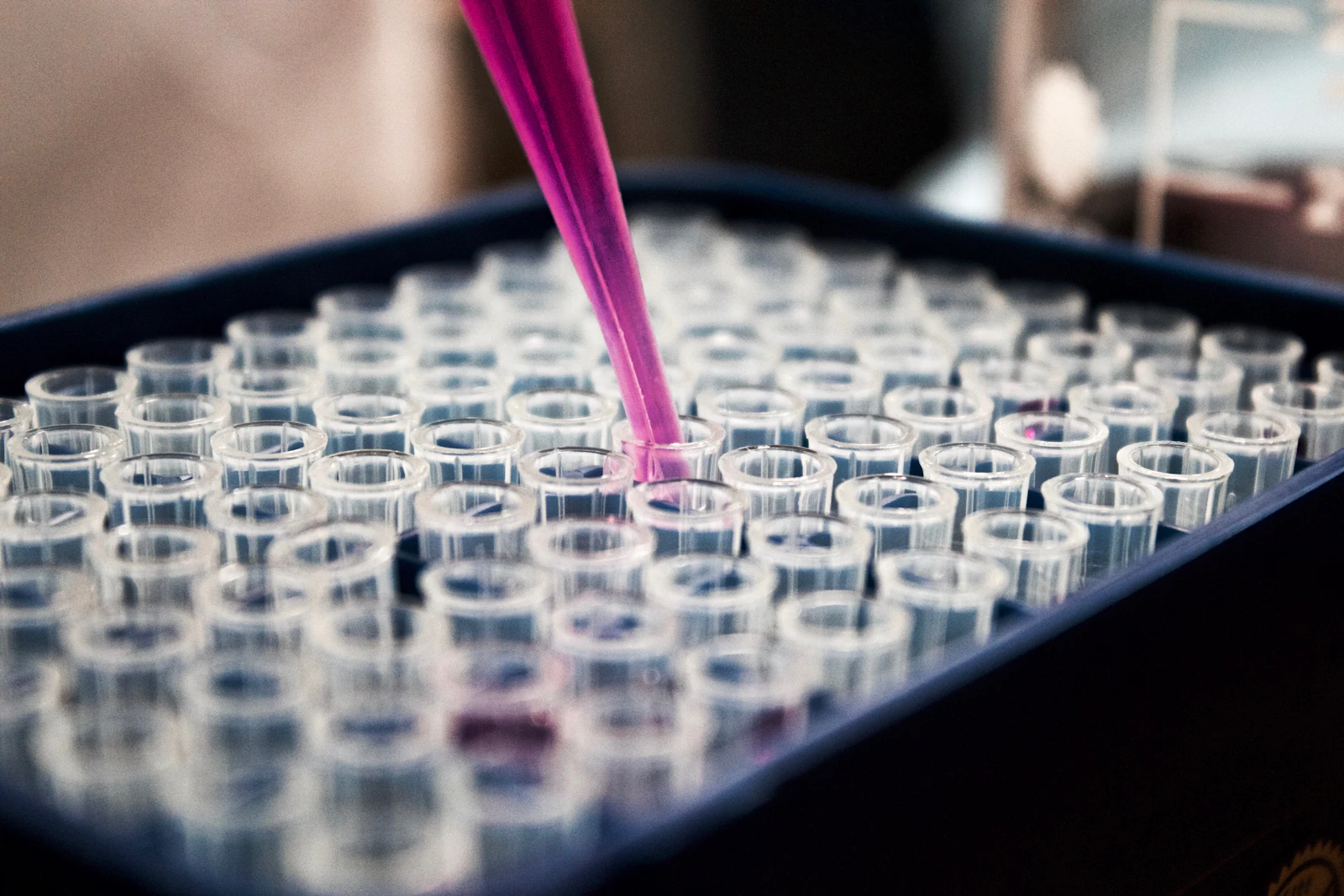
Pharmacology accounts for a substantial portion of the EDAIC Part 1 written examination, particularly in Paper A (Basic Sciences). Whether you are revising inhalational agents, neuromuscular blockers, or autonomic pharmacology, a structured approach to EDAIC pharmacology will pay dividends on exam day. This article distils the high-yield concepts and recurrent themes that appear in multiple-true-false (MTF) questions, helping you focus your revision where it matters most.
Why Pharmacology Matters in EDAIC Part 1
Paper A of the EDAIC Part 1 examination tests foundational knowledge across anatomy, physiology, biochemistry, pharmacology, physics and clinical measurement, equipment, and statistics. Pharmacology questions typically explore:
- Pharmacokinetic principles: absorption, distribution, metabolism, and excretion (ADME).
- Pharmacodynamic mechanisms: receptor theory, dose–response relationships, and drug interactions.
- Specific drug classes: inhalational and intravenous anaesthetic agents, neuromuscular blockers and reversal agents, local anaesthetics, opioids, and autonomic drugs.
Because the MTF format requires you to judge each statement independently as true or false, precision matters. A vague understanding of "most" opioids or "some" volatile agents will not suffice—you must know which properties apply to which drugs.
Core Pharmacokinetic Principles
Volume of Distribution (Vd)
Volume of distribution relates the amount of drug in the body to the plasma concentration. A high Vd (for example, fentanyl ~4 L/kg) indicates extensive tissue distribution; a low Vd (for example, neuromuscular blockers ~0.2 L/kg) suggests the drug remains largely in the plasma compartment. Exam questions often ask you to compare Vd values or infer tissue binding from a stated Vd.
Clearance and Half-Life
Clearance is the volume of plasma from which drug is completely removed per unit time. Context-sensitive half-time is particularly relevant for intravenous anaesthetics: after a prolonged infusion, the time to halve the plasma concentration depends on the duration of infusion (the "context"). Remifentanil's context-sensitive half-time remains short even after hours of infusion, whereas propofol and fentanyl show increasing half-times with longer infusions.
Bioavailability and First-Pass Metabolism
Oral bioavailability is reduced by first-pass hepatic metabolism. Drugs with high first-pass extraction (for example, morphine, midazolam) have much lower oral bioavailability than intravenous bioavailability. The EDIAC Part 1 may present statements about oral bioavailability—know which drugs undergo significant first-pass metabolism and which do not.
Inhalational Anaesthetic Agents
Volatile agents are a perennial favourite in EDAIC basic sciences questions. Key concepts include:
Minimum Alveolar Concentration (MAC)
MAC is the alveolar concentration at which 50% of patients do not move in response to a standard surgical stimulus. It is a measure of potency: the lower the MAC, the more potent the agent. Typical MAC values (in oxygen, at sea level, for a middle-aged adult):
- Isoflurane: ~1.15%
- Sevoflurane: ~2.0%
- Desflurane: ~6.0%
MAC is additive across agents and is reduced by opioids, sedatives, hypothermia, pregnancy, and increasing age. It is increased by hyperthermia, chronic alcohol use, and in infants (MAC peaks at around 6 months of age).
Blood:Gas Partition Coefficient
A low blood:gas partition coefficient (for example, desflurane 0.42, sevoflurane 0.65) means rapid equilibration between alveolar and blood partial pressures, leading to faster induction and emergence. Isoflurane (1.4) is slower. Nitrous oxide (0.47) is very fast but has low potency (MAC ~105%).
Cardiovascular and Respiratory Effects
All volatile agents cause dose-dependent myocardial depression and vasodilation, reducing blood pressure. Sevoflurane and isoflurane preserve heart rate better than halothane (which causes bradycardia). Desflurane can cause transient tachycardia and hypertension during rapid increases in concentration. Respiratory depression is universal: all volatiles reduce tidal volume and increase respiratory rate, with a net decrease in minute ventilation and a rise in PaCO₂.
Exam Tip: Be ready to compare agents. A typical MTF stem might state "Sevoflurane…" followed by five statements about MAC, blood:gas coefficient, cardiovascular effects, metabolism, and triggering malignant hyperthermia. Know the distinguishing features of each agent.
Intravenous Anaesthetic Agents
Propofol
Propofol is the most commonly used induction agent. It is highly lipophilic (formulated in a lipid emulsion), has a rapid onset (~30 seconds arm–brain circulation time), and a short duration of action due to rapid redistribution. Metabolism is hepatic and extra-hepatic; clearance approaches hepatic blood flow, suggesting extra-hepatic sites contribute to elimination. Propofol causes dose-dependent hypotension (vasodilation and myocardial depression) and respiratory depression, including apnoea at induction doses. It has anti-emetic properties and is used for total intravenous anaesthesia (TIVA).
Thiopental
Thiopental, a barbiturate, has a rapid onset and short duration due to redistribution. It reduces cerebral metabolic rate and intracranial pressure. Although once used in the context of raised intracranial pressure, evidence for clinically meaningful neuroprotection is limited and this use has largely been superseded. It causes more cardiovascular depression than propofol in hypovolaemic patients and can precipitate bronchospasm. It is contraindicated in porphyria.
Ketamine
Ketamine is an NMDA receptor antagonist with unique properties: it provides analgesia, preserves airway reflexes (relatively), and maintains blood pressure via sympathetic stimulation. It increases cerebral blood flow and intracranial pressure. Emergence phenomena (hallucinations, dysphoria) can be attenuated with benzodiazepines. Ketamine is useful in shocked patients and for procedural sedation.
Etomidate
Etomidate has minimal cardiovascular effects, making it suitable for haemodynamically unstable patients. It suppresses adrenal steroidogenesis (even after a single dose), which limits its use for prolonged sedation. Involuntary movements and pain on injection are common.
Neuromuscular Blockers and Reversal
Depolarising vs. Non-Depolarising Agents
Suxamethonium (succinylcholine) is the only depolarising blocker in common use. It acts as an agonist at the nicotinic acetylcholine receptor, causing initial fasciculations followed by phase I block (non-reversible with anticholinesterases). Metabolism is by plasma cholinesterase; duration is ~5–10 minutes. Side effects include hyperkalaemia (dangerous in burns, crush injuries, denervation), bradycardia (especially in children or with repeat doses), masseter spasm, and triggering malignant hyperthermia.
Non-depolarising agents (for example, rocuronium, atracurium, vecuronium, cisatracurium) are competitive antagonists. They vary in:
- Onset: rocuronium is fastest (~60–90 seconds at intubating dose).
- Duration: cisatracurium and rocuronium are intermediate; pancuronium is long-acting.
- Metabolism: atracurium and cisatracurium undergo Hofmann elimination (spontaneous degradation, independent of renal or hepatic function); rocuronium and vecuronium are hepatically cleared; pancuronium is renally excreted.
Reversal Agents
Neostigmine is an anticholinesterase that increases acetylcholine at the neuromuscular junction, overcoming competitive blockade. It also has muscarinic effects (bradycardia, salivation, bronchospasm), so it is co-administered with an antimuscarinic (glycopyrronium or atropine). Neostigmine cannot reverse deep block and is ineffective against suxamethonium.
Sugammadex is a modified γ-cyclodextrin that encapsulates rocuronium and vecuronium, rapidly reversing even deep block. It does not work on other non-depolarisers or on suxamethonium. Dosing depends on the depth of block: 2 mg/kg for moderate block, 4 mg/kg for deep block, 16 mg/kg for immediate reversal after rocuronium ("can't intubate, can't oxygenate" scenario).
Local Anaesthetics
Local anaesthetics block voltage-gated sodium channels, preventing action potential propagation. They are weak bases, existing in equilibrium between ionised (water-soluble, active at the receptor) and unionised (lipid-soluble, crosses membranes) forms. The pKa determines the speed of onset: agents with pKa closer to physiological pH (7.4) have more unionised fraction and faster onset (for example, lignocaine pKa ~7.9, faster than bupivacaine pKa ~8.1).
Amide vs. Ester Local Anaesthetics
- Amides (lignocaine, bupivacaine, ropivacaine, levobupivacaine): metabolised in the liver. Safer in patients with plasma cholinesterase deficiency. Lower risk of allergy.
- Esters (cocaine, procaine, amethocaine): metabolised by plasma cholinesterase. Higher risk of allergic reactions (due to para-aminobenzoic acid metabolites).
Toxicity
Systemic toxicity occurs with accidental intravascular injection or excessive dosing. Early signs are perioral tingling, tinnitus, and agitation, progressing to seizures and cardiovascular collapse. Bupivacaine is more cardiotoxic than lignocaine due to greater binding to cardiac sodium channels. Lipid emulsion therapy (Intralipid 20%, initial bolus 1.5 mL/kg) is the specific treatment for local anaesthetic-induced cardiac arrest.
Key Point: Maximum safe doses are guidelines and depend on site of injection, vascularity, and use of adrenaline. For lignocaine: ~3 mg/kg plain, ~7 mg/kg with adrenaline. For bupivacaine: ~2 mg/kg (with or without adrenaline, as the cardiotoxicity risk limits any increase). Always calculate the total dose before infiltration and be aware that these are approximate limits—individual patient factors and injection site vascularity significantly affect safety.
Autonomic Pharmacology
Autonomic drugs frequently appear in EDAIC pharmacology questions, particularly regarding receptor selectivity and clinical effects.
Adrenergic Receptors
- α₁: vasoconstriction (phenylephrine is a selective agonist).
- α₂: presynaptic inhibition of noradrenaline release; central sympatholysis (clonidine, dexmedetomidine).
- β₁: increased heart rate and contractility (dobutamine is relatively selective).
- β₂: bronchodilation, vasodilation, uterine relaxation (salbutamol).
Adrenaline (epinephrine) acts on all receptors; at low doses β effects dominate (increased heart rate, contractility, bronchodilation), at high doses α effects dominate (vasoconstriction). Noradrenaline (norepinephrine) is predominantly α with some β₁, causing vasoconstriction and increased blood pressure with reflex bradycardia.
Anticholinergic Agents
Atropine and glycopyrronium are muscarinic antagonists. Atropine crosses the blood–brain barrier (can cause central anticholinergic syndrome); glycopyrronium is quaternary and does not. Both cause tachycardia, dry mouth, mydriasis, and reduced gastrointestinal motility. Atropine is used to treat bradycardia; glycopyrronium is preferred when co-administered with neostigmine (longer duration, matches neostigmine's offset better than atropine).
Exam Strategy for EDAIC Pharmacology
- Learn the prototypes: Know one or two drugs in each class inside-out (for example, morphine for opioids, lignocaine for local anaesthetics), then learn how others differ.
- Understand mechanisms: The EDAIC Part 1 rewards understanding over rote memorisation. If you know why remifentanil has a short context-sensitive half-time (ester hydrolysis by plasma and tissue esterases), you can answer related questions confidently.
- Use comparison tables: Create tables comparing MAC, blood:gas coefficients, metabolism, and side effects of volatile agents; onset, duration, and elimination of neuromuscular blockers; pKa and maximum doses of local anaesthetics. Visual summaries aid retention.
- Practice MTF questions: The format is unforgiving. Each statement is independent; one true, four false is as valid as five true. AnesCORE's question bank mirrors this format and provides immediate feedback on your reasoning.
- Revise receptor pharmacology: Many questions hinge on receptor selectivity (for example, "Drug X is a selective β₂ agonist: True or False?"). Memorise the key agonists and antagonists for each receptor subtype.
Frequently Asked Questions
What are the highest-yield pharmacology topics for EDAIC Part 1?
Inhalational agents (MAC, partition coefficients, side effects), neuromuscular blockers and reversal (mechanism, metabolism, sugammadex), local anaesthetics (amide vs. ester, toxicity, maximum doses), and autonomic drugs (receptor selectivity, clinical effects) recur most often. Pharmacokinetic principles (Vd, clearance, context-sensitive half-time) underpin many questions.
How should I memorise MAC values and partition coefficients?
Create a simple table and test yourself repeatedly. Associate the numbers with clinical context: desflurane's high MAC (6%) and low blood:gas coefficient (0.42) explain its pungency and rapid onset; sevoflurane's moderate values (MAC 2%, blood:gas 0.65) make it the preferred agent for inhalational induction in children.
Do I need to know exact drug doses for the EDAIC Part 1 written exam?
You should know standard induction doses (for example, propofol 1.5–2.5 mg/kg, thiopental 3–5 mg/kg), intubating doses of neuromuscular blockers (rocuronium 0.6–1.2 mg/kg), and maximum safe doses of local anaesthetics. The exam rarely asks for doses to the nearest milligram, but understanding dose ranges helps you judge statements about overdose, toxicity, and clinical effects.
Is pharmacology tested differently in EDAIC Part 2?
Yes. The Part 2 structured oral examination (SOE) integrates pharmacology into clinical scenarios. You might be asked to justify your choice of anaesthetic agent for a patient with ischaemic heart disease, or to discuss the management of local anaesthetic toxicity during a regional block. Part 1 tests factual knowledge; Part 2 tests applied reasoning.
Final Thoughts
Mastering EDAIC pharmacology requires systematic revision of core principles and recurrent drug classes. Focus on the mechanisms, compare agents within each class, and practice MTF questions to sharpen your ability to judge individual statements. Pharmacology is dense, but it is also logical: once you understand receptor theory, pharmacokinetics, and the prototypical agents, the rest falls into place. Combine this article's framework with active recall and spaced repetition, and you will approach Paper A with confidence.
Începe pregătirea pentru EDAIC Part I
Lecții mapate pe programă, mii de întrebări MTF, flashcard-uri cu repetiție spațiată și un plan de studiu AI — într-o singură platformă.
Începe gratuit