
How to Prepare for EDAIC Part I: The Complete 2026 Guide
A vast syllabus, the MTF format, and a deadline approaching fast. Here is the clear strategy that makes the EDAIC Part I exam perfectly manageable.

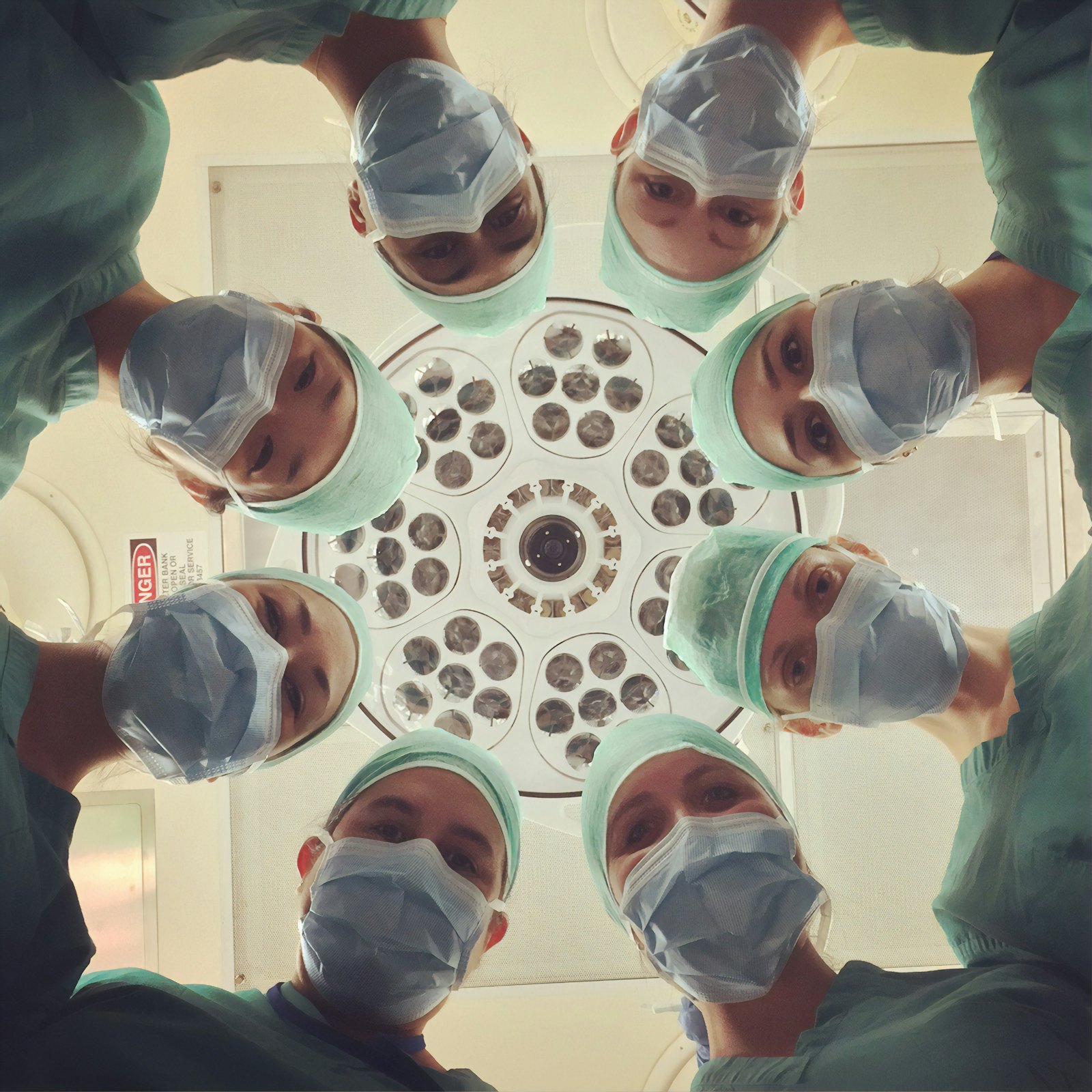
The EDAIC Part I (European Diploma in Anaesthesiology and Intensive Care) exam is one of the most rigorous assessments in anaesthesia and intensive care in Europe. For many residents, preparation feels overwhelming: a vast syllabus, MTF-format questions, and a looming deadline. The good news? With a clear strategy, the exam becomes perfectly manageable.
What EDAIC Part I assesses
The exam is split into two papers:
- Paper A — Basic sciences: anatomy, physiology, biochemistry, pharmacology, physics and clinical measurement, equipment, statistics.
- Paper B — Clinical anaesthesia and intensive care: preoperative assessment, general and regional anaesthesia, special anaesthesia, intensive care, emergency medicine, pain.
Each paper contains MTF-type questions (Multiple True/False): a stem followed by five statements, each evaluated independently as true or false — see our EDAIC Part 1 guide for the full format and dates.
Keep in mind: EDAIC has no penalty for a wrong answer (negative marking was removed in 2014). This completely changes your answering strategy — we return to this in a dedicated article.
Build your EDAIC Part 1 study plan
See how AnesCORE maps the whole Part 1 syllabus into a day-by-day plan and practises you on it with spaced repetition.
Key dates for the 2026 session
- Exam: 19 September 2026
- Registration deadline: 11 June 2026
Register early: places at examination centres fill up fast, and a delay can cost you an entire session.

Answer an EDAIC-style question
This is one exam-format Part 1 multiple-true-false question from our bank. Mark each statement true or false, then see the worked answer.
Regarding the pathophysiology of oxygen delivery and consumption in circulatory shock:
Mark each statement true or false:
In healthy adults at rest, systemic oxygen delivery is approximately 1000 mL/min while oxygen consumption is about 250 mL/min, creating a physiological oxygen reserve.
When systemic oxygen delivery decreases, oxygen consumption immediately falls in direct proportion, indicating supply dependency at all levels of DO₂.
Cardiac output is determined by the product of heart rate and stroke volume, with stroke volume being influenced by preload, afterload, and myocardial contractility.
The unifying feature of all forms of shock, regardless of aetiology, is acute circulatory failure associated with inadequate cellular oxygen utilisation.
In septic shock, early goal-directed therapy targeting supranormal oxygen delivery values has been shown to consistently reduce mortality across all patient populations.
How to structure your preparation month by month
1. Map the syllabus
Start by breaking the ESAIC syllabus down into chapters and subtopics. A platform mapped to the syllabus (like AnesCORE) shows you exactly which chapters you have covered and where your gaps are.
2. Learn actively, not passively
Passive reading creates the illusion of knowledge. Replace it with active recall: answer questions before you check the answer. Every MTF question you solve consolidates your memory more than a re-read page.
3. Use spaced repetition
Don't cram everything the day before. Spaced repetition distributes reviews over time and counters the forgetting curve — a method we cover separately.
4. Simulate the exam
At least four weeks out, sit mock exams under real time conditions. You'll learn to manage your pace and recognise question patterns.
Common mistakes to avoid
- Leaving statistics and physics for last — they are subjects that bring "easy" points.
- Focusing only on Paper B and neglecting the basic sciences.
- Memorising lists without understanding the mechanisms.
- Not doing enough MTF-format questions before the exam.
Conclusion
EDAIC Part I is not passed through brute memorisation, but through structured, consistent practice. Set a plan, work actively on questions, and review intelligently.
Start preparing for EDAIC Part I
Syllabus-mapped lessons, 30,000 MTF questions, spaced-repetition flashcards and an AI study plan — in one platform.
Start free