One-Lung Ventilation Hypoxaemia: An EDAIC Worked Case
Explain shunt, dependent-lung ventilation and haemodynamic trade-offs in an original one-lung ventilation case, with careful interpretation of PROTHOR.
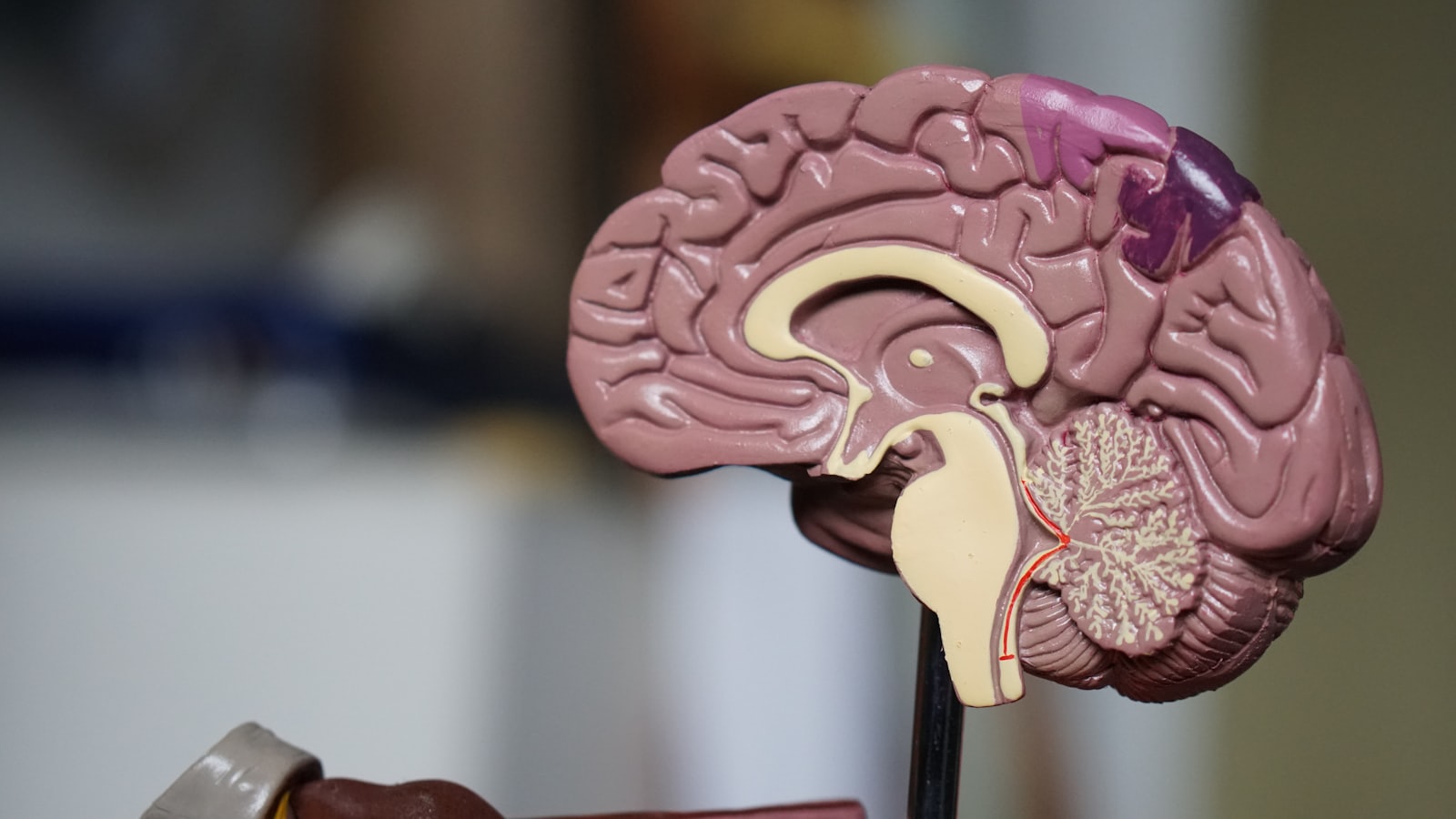
One-lung ventilation creates a lung region that receives blood but little or no ventilation. That introduces shunt. Hypoxaemia can worsen if the ventilated lung develops additional problems or if haemodynamics change. The useful EDAIC question is therefore not simply “What PEEP should I use?” but “Which mechanism is limiting oxygenation now?”
The BJA Education review of one-lung hypoxaemia explains the interaction between lung isolation, position, ventilation–perfusion matching and circulation. Here, an original case turns those relationships into a structured reasoning exercise.
Begin with a deliberately incomplete case
An adult undergoing thoracic surgery is in the lateral position with a double-lumen tube. After a period of acceptable one-lung ventilation, oxygen saturation falls. The examiner supplies no further information.
Before proposing a precise ventilator adjustment, identify what is missing: the time course, airway pressures and volumes, capnography, inspired oxygen, haemodynamics, tube position and recent surgical events. In practice, severe deterioration demands immediate help and coordinated corrective action; the list is not an instruction to delay while collecting every measurement.
For the examination, say that you would assess the patient and equipment, verify lung isolation and ventilation, and communicate with the surgeon. Then use the new observations to organise the physiology.
Try 10 EDAIC questions free
Create a free account and answer EDAIC-style Part 1 MTF questions — each one graded per statement, with a full explanation.
Draw the two blood streams
On paper, sketch a ventilated compartment and a non-ventilated compartment. Blood emerging from them contributes to the final arterial mixture. The picture explains why making oxygen delivery to the ventilated compartment excellent cannot fully oxygenate blood that bypasses ventilated alveoli.
Now add a third compartment: a poorly ventilated region within the dependent lung. The problem is no longer solely the intended non-ventilation of the operative lung. There may be an additional opportunity to improve the functioning lung, provided the cause is understood.
Hypoxic pulmonary vasoconstriction can divert some flow away from poorly ventilated lung, but it does not eliminate the need to assess the rest of the system. Keep the shunt and dead-space distinction clear: this is not simply a story about wasted ventilation.
Change one observation at a time
| New information | Reasoning priority |
|---|---|
| Deterioration follows repositioning | Reassess lung-isolation device position and ventilation |
| Airway pressures rise markedly | Look for an explanation for altered resistance, compliance or obstruction |
| Arterial pressure falls at the same time | Consider the circulation as well as the lung mechanics |
| The ventilated lung has evidence of collapse | Consider recruitability and the trade-offs of an appropriate intervention |
| The cause remains unclear with severe hypoxaemia | Escalate and coordinate rescue rather than defend the initial theory |
These are prompts, not diagnostic equations. A temporal association raises a question; it does not prove an answer. The strongest viva response identifies what observation would support or weaken the proposed mechanism.
Answer an EDAIC-style question
This is one exam-format Part 1 multiple-true-false question from our bank. Mark each statement true or false, then see the worked answer.
Regarding the pathophysiology of oxygen delivery and consumption in circulatory shock:
Mark each statement true or false:
In healthy adults at rest, systemic oxygen delivery is approximately 1000 mL/min while oxygen consumption is about 250 mL/min, creating a physiological oxygen reserve.
When systemic oxygen delivery decreases, oxygen consumption immediately falls in direct proportion, indicating supply dependency at all levels of DO₂.
Cardiac output is determined by the product of heart rate and stroke volume, with stroke volume being influenced by preload, afterload, and myocardial contractility.
The unifying feature of all forms of shock, regardless of aetiology, is acute circulatory failure associated with inadequate cellular oxygen utilisation.
In septic shock, early goal-directed therapy targeting supranormal oxygen delivery values has been shown to consistently reduce mortality across all patient populations.
Why PEEP is a trade-off, not an automatic correction
Recruiting a recruitable region and overdistending an already open region are different effects. A change that improves oxygenation may also alter intrathoracic pressure, venous return and pulmonary blood-flow distribution. You therefore need more than one endpoint when judging the result.
The PROTHOR randomised trial, published in the January 2026 issue of The Lancet Respiratory Medicine, compared specified higher-PEEP/recruitment and lower-PEEP strategies during thoracic surgery. The higher strategy did not significantly reduce the primary postoperative pulmonary-complication outcome and had more intraoperative hypotension and arrhythmias; hypoxaemia rescue was more frequent in the lower group.
That result does not establish that PEEP is never helpful or that every patient should receive one fixed setting. It distinguishes a tested strategy's overall outcomes from a physiological response in an individual episode. A trial of one bundled strategy also should not be presented as proof about every possible component or personalised approach.
For examination reading, record population, intervention, comparator and outcome before extracting a practice slogan. Here the endpoint was not merely whether an oxygen-saturation number increased during an isolated adjustment.
Oxygen saturation is not the whole oxygen-delivery story
Consider two hypothetical observations after a manoeuvre. Saturation improves, but arterial pressure falls and measured cardiac output decreases. You cannot conclude that overall oxygen delivery improved from the saturation change alone.
The point is conceptual: arterial oxygen content and blood flow jointly matter. The oxygen-delivery worked examples show how those terms fit together. This does not mean that saturation is unimportant; it means the outcome you claim must match what you measured.
Similarly, compare peak and plateau pressure information with the broader compliance and resistance guide. “Pressure is high” is an observation that needs interpretation, not a complete explanation.
Three questions to answer aloud
Why may oxygenation deteriorate despite a high inspired oxygen fraction? Shunted blood does not participate in gas exchange with the ventilated alveoli. Other problems may coexist, so the mechanism still needs assessment.
Why can an oxygenation improvement be an incomplete success? The intervention may have adverse haemodynamic or mechanical effects. State the full set of outcomes you would reassess.
Does PROTHOR identify an ideal PEEP for every thoracic patient? No. It evaluates the strategies and population studied, not every individualised setting.
Use the AnesCORE question bank to practise separating the mechanism, the measured response and the clinical conclusion. That separation makes thoracic-anaesthesia questions easier to reason through without relying on a single memorised number.
Sources
- Shum, Huang and Slinger: Hypoxaemia during one lung ventilation
- PROTHOR trial: higher versus lower PEEP during one-lung ventilation
Prepared with AI assistance for examination revision; sources checked 6 November 2026. These original teaching examples are not official EDAIC questions. Not a patient-care protocol.
Start preparing for EDAIC Part I
Syllabus-mapped lessons, 30,000 MTF questions, spaced-repetition flashcards and an AI study plan — in one platform.
Start free