Insights for EDAIC preparation
Study strategies, exam techniques and evidence-based learning methods — written to help you pass EDAIC Part I.
Page 12 of 12

How to Pass EDAIC Part 1: 9 Evidence-Based Strategies for 2026
Master how to pass EDAIC Part 1 with nine evidence-based strategies: active recall, spaced repetition, timed mocks, balanced Paper A/B preparation, and smart MTF tactics. Practical, exam-focused advice from a consultant anaesthesiologist.


EDAIC Part 2: Complete Guide to the Structured Oral Examination
Master the EDAIC Part 2 structured oral examination (SOE). Expert strategies for the EDAIC viva, scenario frameworks, mock preparation, and how to demonstrate clinical reasoning under pressure.

EDAIC vs FRCA: Which Anaesthesia Diploma Should You Take in 2026?
Comparing EDAIC vs FRCA for anaesthesia trainees: structure, recognition, career implications and how to choose the right diploma for your training pathway and future practice location.
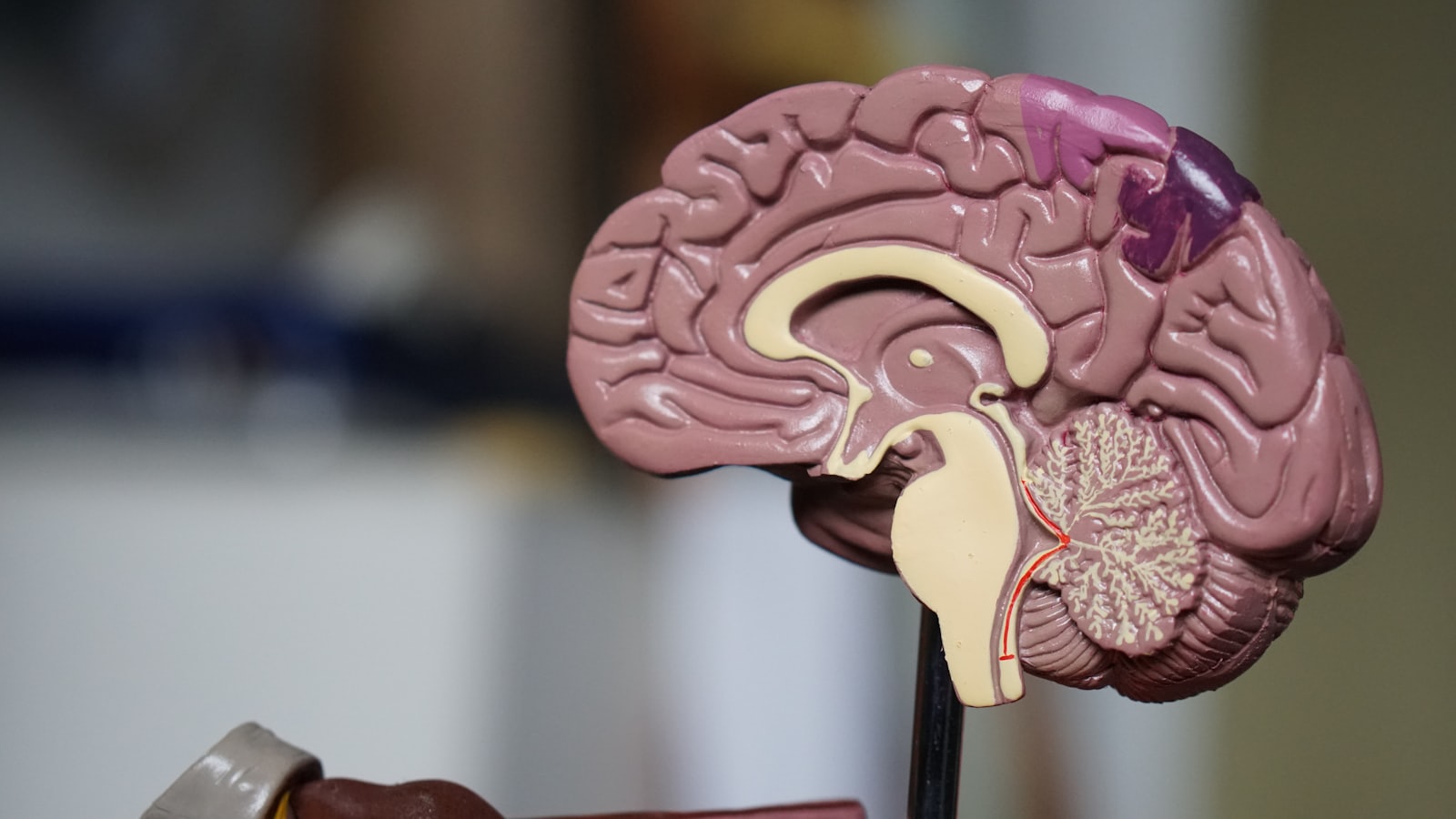
Intensive Care at EDAIC Part I: The Key Topics from Paper B
Intensive care carries significant weight in Paper B, but the questions cluster around a few recurring themes. Here is the map of topics worth mastering.

Your Weekly EDAIC Study Plan: Learn, Test and Review
Build a weekly EDAIC study plan with an eight-hour example, Paper A and B priorities, question review and spaced recall. Adapt it to your available time.

Spaced Repetition: The Scientific Method That Locks In Your Knowledge
The brain forgets in a predictable pattern. Spaced repetition combined with active recall turns study hours into durable knowledge for exam day.

MTF Questions at EDAIC: The Strategy That Raises Your Score
The Multiple True/False format is the backbone of the EDAIC exam. Understand the rules, avoid the traps, and never leave a statement unanswered.
How to Study for EDAIC Part 1: A Practical Guide
Learn how to study for EDAIC Part 1 with a practical first-week plan, MTF question review, spaced recall and a clear route from syllabus to timed mocks.